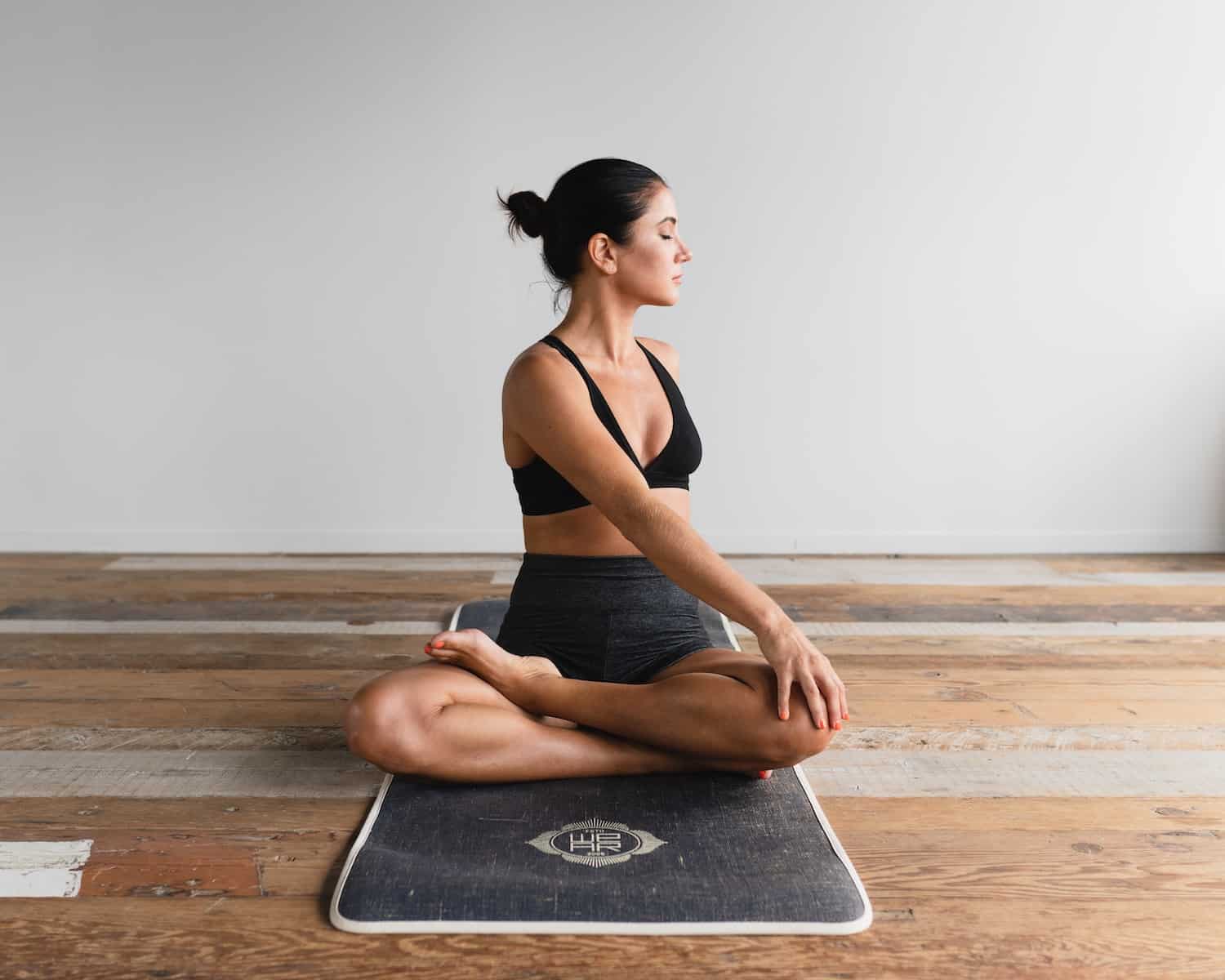
The Philosophy of Yoga: A Beginner’s Guide
Are you looking for ways to improve your mental and physical health? Have you heard about yoga but don’t know where to start? Yoga is more than just a physical exercise, it is a way of life that can bring balance and harmony to your mind, body, and spirit. In this beginner’s guide, we will explore the deeper significance of yoga beyond just poses. We will dive into the core principles and concepts that make up the underlying philosophy of yoga. Additionally, we will discuss how you can practically apply these principles in your daily life to achieve a more balanced and mindful existence. Join us as we explore the world of yoga, its philosophy, and how it can transform your life for the better.
Understanding Yoga: More than Just Poses
Yoga’s philosophy centers on the interconnectedness of mind, body, and spirit, transcending mere physical postures. It encompasses unity, mindfulness, and self-awareness as core principles, offering holistic health benefits. Central components such as meditation and breathing techniques facilitate this harmony. Various yoga styles cater to individual needs, each with distinct focuses and approaches. Beyond asanas, yoga delves into profound spiritual concepts, bridging physical and metaphysical realms. The ancient traditions of hatha yoga, rooted in Sanskrit scriptures, explore deeper spiritual dimensions, including the pursuit of moksha and the interplay of purusha and prakriti. The philosophy of yoga reflects its rich historical evolution, blending elements of Hinduism, Buddhism, and tantra, embodying universal principles applicable to modern lifestyles.
The Deeper Significance of Yoga
Yoga practice extends beyond physical poses and has deep roots in ancient wisdom, including Hatha Yoga and the philosophical teachings of yoga teachers. It encompasses concepts such as ahimsa (non-harming), yama (ethical disciplines), and niyama (self-discipline) which guide a yogi’s conduct both on and off the mat. The practice of yoga aims to bring clarity and peace to the mind, culminating in samadhi, a state of deep meditation and tranquility. It explores the interplay of prakriti (nature) and purusha (spirit), aiming to transcend the limitations of the material world and attain true self-realization.
The philosophy of yoga is profoundly influenced by Hinduism, Buddhism, and tantra, delving into concepts such as moksha (liberation), karma (action and its consequences), and atman (the soul). The ultimate goal of yoga philosophy is to reach moksha, freeing oneself from the cycle of samsara and realizing the interconnectedness of all beings in the universe.
The Interplay of Mind, Body, and Spirit
The intricate connection between the mind, body, and spirit lies at the heart of yoga philosophy, influencing every aspect of a practitioner’s journey. From the physicality of Hatha yoga to the inward reflection in Dhyana (meditation), each element serves as a bridge uniting the triad of mind, body, and spirit. The Sanskrit terms of Prakriti and Purusha encapsulate the duality of nature and consciousness, guiding individuals toward self-realization and spiritual awakening. The principles of Yama and Niyama, intertwined with the concept of Ahimsa (non-violence) and Dharana (concentration), offer a framework for ethical living and mental discipline, essential for harmonizing the interplay of mind, body, and spirit. As practitioners delve deeper into the philosophy, the practice of Pranayama (breath control) and the pursuit of Samadhi (state of heightened concentration) foster a profound understanding of the interconnectedness within oneself and the universe, nurturing a sense of union and clarity.
The Underlying Philosophy of Yoga
Within yoga philosophy, ethical principles and self-discipline take center stage, guiding individuals towards a deeper understanding of the self for inner peace and contentment. Ancient texts outline the philosophy of yoga, offering a roadmap to attain the ultimate goal. This philosophy delves into the material world, attachment, and the practice of yoga, advocating the withdrawal of the senses as per the yoga sutras of Patanjali. As practitioners undertake the journey, they align with the core principles and concepts, embodying the interplay of mind, body, and spirit. The practical application of yoga philosophy in daily life becomes evident through achieving balance, harmony, and the pivotal role of meditation and mindfulness. This integration reflects the inseparable connection between yoga and spirituality, offering clarity on how the philosophy permeates and enriches the practice.
Core Principles and Concepts
The principles and concepts at the core of yoga philosophy trace back to ancient Hindu texts like the Bhagavad Gita and Patanjali’s yoga sutras. They encompass ethical standards, physical postures, meditation, and mindfulness, aiming for truthfulness, non-violence, contentment, and compassion. These foundational principles seek to free the mind from ignorance, attachment, and the material world, leading to the ultimate goal of yoga. The philosophy delves deep into the sanskrit terms like ahimsa, prakriti, purusha, and more, reflecting the rich heritage of ancient wisdom. It explores the interplay of the limbs of yoga, such as pranayama and dhyana, and their significance in attaining clarity and inner peace. The longstanding tradition of yoga, with its roots in Hinduism and Buddhism, emphasizes spiritual growth, self-realization, and the quest for moksha.
Yoga and Spirituality: An Inextricable Connection
The interconnectedness of yoga and spirituality is deeply rooted in ancient texts, such as the Bhagavad Gita and the yoga sutras of Patanjali. These philosophical teachings underscore the pursuit of inner peace, mindfulness, and spiritual awakening through the practice of yoga. The integration of yoga with the understanding of the divine, as per the Bhagavad Gita, emphasizes the spiritual growth achieved through the practice of yoga. Furthermore, the ancient yoga sutras of Patanjali delve into the philosophy of yoga poses as a means of spiritual development, highlighting the inseparable connection between the practice of yoga and the pursuit of spiritual enlightenment. This inextricable link between yoga and spirituality is central to the ancient philosophy of yoga, guiding practitioners toward the ultimate goal of spiritual awakening and self-realization.
The Practical Application of Yoga Philosophy in Daily Life
Incorporating the principles of yoga philosophy into daily life entails more than just performing yoga postures. It involves integrating ethical principles such as ahimsa (non-violence) and satya (truthfulness) into our interactions and decisions, promoting clarity and compassion in our relationships. Additionally, practicing yoga on and off the mat nurtures mindfulness and contentment, fostering a deeper connection with one’s self and others. By applying the philosophy of yoga in daily life, individuals cultivate a sense of balance and harmony, aligning with the concept of purusha (true self) and prakriti (material nature) as elucidated in yogic philosophy. Ultimately, the practical application of yoga philosophy empowers individuals to navigate life’s challenges with resilience and grace, embodying the profound teachings of this ancient tradition.
Achieving Balance and Harmony
In the pursuit of yoga practice, achieving balance and harmony is essential for overall well-being. This balance extends beyond the physical aspect and encompasses mental clarity and emotional stability. Hatha yoga, a popular yoga practice, aims to achieve this balance through physical postures (asanas) and breathing techniques (pranayama). It encourages practitioners to find harmony between body and mind. The philosophy of yoga, rooted in ancient texts like the Yoga Sutras of Patanjali, emphasizes the importance of achieving inner peace and balance for spiritual growth. Additionally, concepts such as ahimsa (non-violence) and pratyahara (withdrawal of the senses) contribute to the attainment of harmony within oneself. Achieving balance and harmony is a continuous journey, guided by the wisdom of yoga teachers and the practice of mindfulness.
The Role of Meditation and Mindfulness in Yoga
Meditation and mindfulness are integral aspects of a yoga practice, offering a pathway to self-discovery and inner peace. Incorporating techniques such as pratyahara, dharana, and dhyana can lead to a deeper understanding of the self and the interconnectedness of all beings. The guidance of a knowledgeable yoga teacher can provide clarity on these practices, helping practitioners cultivate a meditative state both on and off the mat. The ancient principles of yama and niyama, foundational concepts in yoga philosophy, promote ethical and moral conduct, fostering a mindset of compassion and non-harming (ahimsa) towards oneself and others. By embracing meditation and mindfulness within a yoga practice, individuals can experience a profound sense of tranquility and develop a heightened awareness of their thoughts, emotions, and surroundings, ultimately enriching their lives both spiritually and mentally.
How does the Practice of Yoga Reflect its Philosophy?
How does the Practice of Yoga Reflect its Philosophy? Yoga is not just about the physical practice of poses; it encompasses a deeper philosophy. Through the practice of yoga, individuals can experience the interplay between mind, body, and spirit, and connect with their inner selves. By embracing core principles and concepts such as mindfulness and balance, practitioners can incorporate the philosophy of yoga into their daily lives.
Conclusion
In conclusion, yoga is not just about striking poses and getting a good workout. It is a holistic practice that encompasses the mind, body, and spirit. The underlying philosophy of yoga is grounded in core principles and concepts that promote balance, harmony, and self-awareness. By incorporating meditation and mindfulness into your practice, you can deepen your connection to yourself and the world around you. But the true beauty of yoga lies in its practical application in daily life. The lessons learned on the mat can be carried off the mat, allowing you to navigate life’s challenges with grace and equanimity. So, whether you’re a beginner or an experienced yogi, embrace the philosophy of yoga and let it guide you towards a more fulfilling and purposeful life. Namaste.